

 “I am not allowed to leave Cuba because I think differently from the government, and I voice my disagreement,” Rosalía Viñas, a board member of the
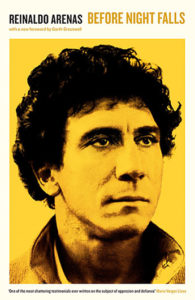 Reinaldo Arenas was not the first to denounce Fidel Castro’s regime. writes for The PanAm Post. But when his appalling testimony came to light in 1990, it was fair to assume that nobody would go to Cuba to whitewash the crimes of the regime. Arenas’ book Before Night Falls had greatly impacted me. I had already heard and read a lot about the horrors of Castro’s Cuba. which is why the sight of Spanish monarchs, Don Felipe and Doña Letizia, posing in Havana’s Revolution Square is so galling.
The king’s choice of Cuba for his first official trip abroad with his wife, Queen Letizia, can rightly be criticized for giving diplomatic oxygen to one of the world’s oldest and most decrepit dictatorships, Andres Oppenheimer writes for The Miami Herald. Dissidents on the island had criticized Felipe’s visit, mainly because the king’s agenda, shamefully, did not contain any meetings with human-rights activists or government leaders.
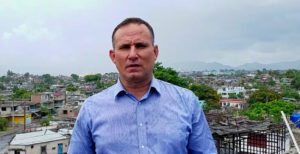
U.S. Senator Bob Menendez (D-N.J.), Ranking Member of the Senate Foreign Relations Committee also sent a letter to King Felipe, expressing continued concern for the Cuban regime’s human rights record. “Your visit to Cuba occurs at a moment when the Cuban regime has arbitrarily jailed and tortured leading democracy activist, Mr. Jose Daniel Ferrer,” he added.
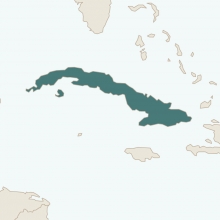
Credit: NDI
King Felipe VI did make a plea in support of democracy and human rights during a speech in front of Cuban President Miguel Díaz-Canel, El Pais reports. After stating that change cannot be forced from the outside, in allusion to US pressure for regime change, the king insisted that “human rights are best defended in a democracy.”
Despite ongoing repression, many Cubans persist in advocating for a genuine voice in shaping their country’s future, the National Democratic Institute notes. NDI – a core institute of the National Endowment for Democracy – has worked in solidarity with Cuban democracy activists since 1991, sharing information about democratic institutions and practices and helping to increase international awareness of Cubans’ courageous advocacy for peaceful democratic change.


